Evolutionary Genomics of Plant Diversity
Investigating Genome Evolution and Biodiversity
What drives the evolution of plant diversity? How do genome duplications impact evolutionary trajectories? What drives chromosome number evolution across plant lineages? How do species navigate diploidization following polyploidy? How do hybridization and polyploidy interact to generate diversity? These questions are fundamental to understanding the genomic forces that generate biological diversity.
The Barker Lab at the University of Arizona investigates how genomic complexity shapes plant biodiversity through integrative research approaches. We combine data from field collections, genome sequencing, herbarium studies, and biodiversity databases with computational tools including machine learning, phylogenomics, and population genetics to decode the evolutionary forces shaping plant diversity.
Our research spans the Sonoran Desert and Madrean Sky Islands where we study hybrid and polyploid speciation in Selaginella, chromosome number evolution in clades such as Xanthisma and related Asteraceae to the homosporous ferns, and ancient whole genome duplications across the tree of life. We develop new tools like Frackify, Ploidify, SLEDGE, HyDe-CNN, GOmosaic, and SynTRACE to analyze complex evolutionary processes across new data types and genomic scales.
Research Areas
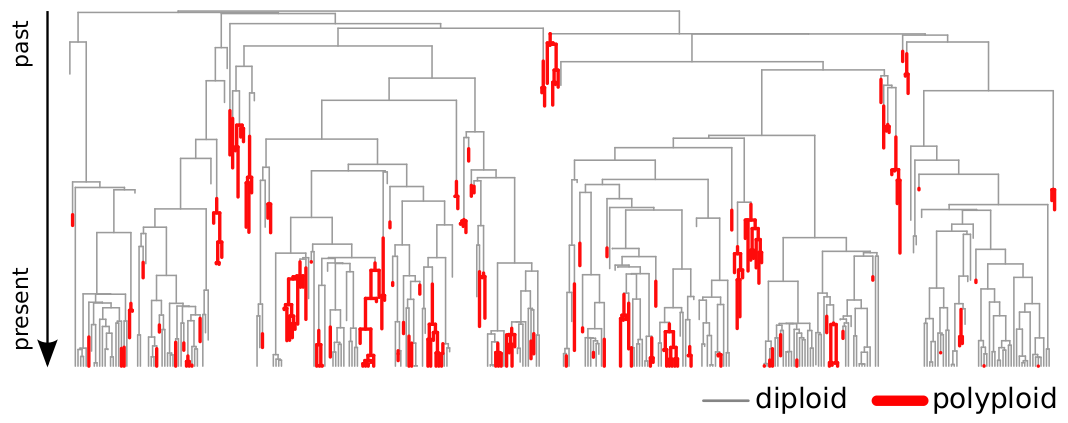
How genome duplications shape speciation, extinction, and biodiversity across evolutionary time
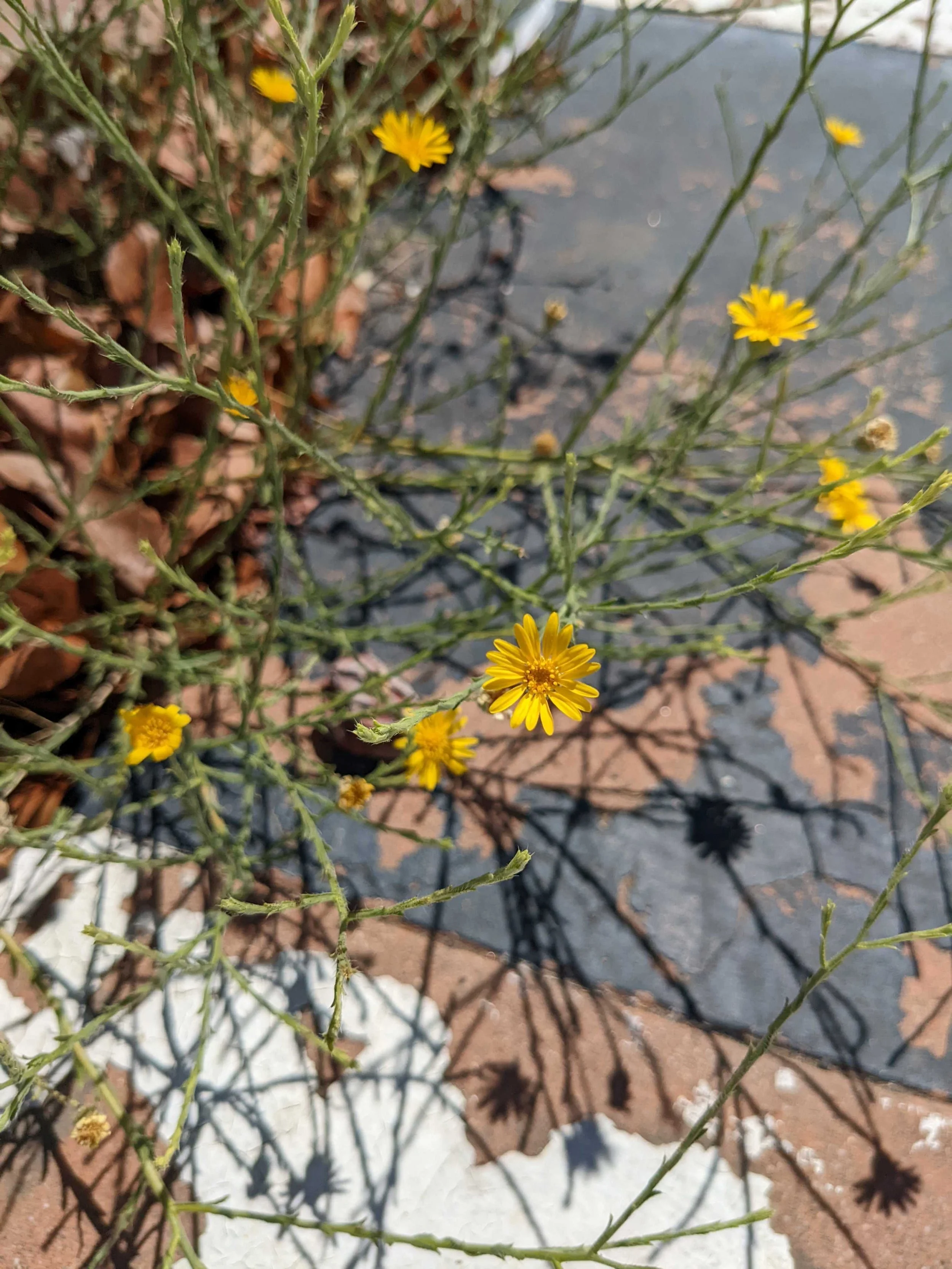
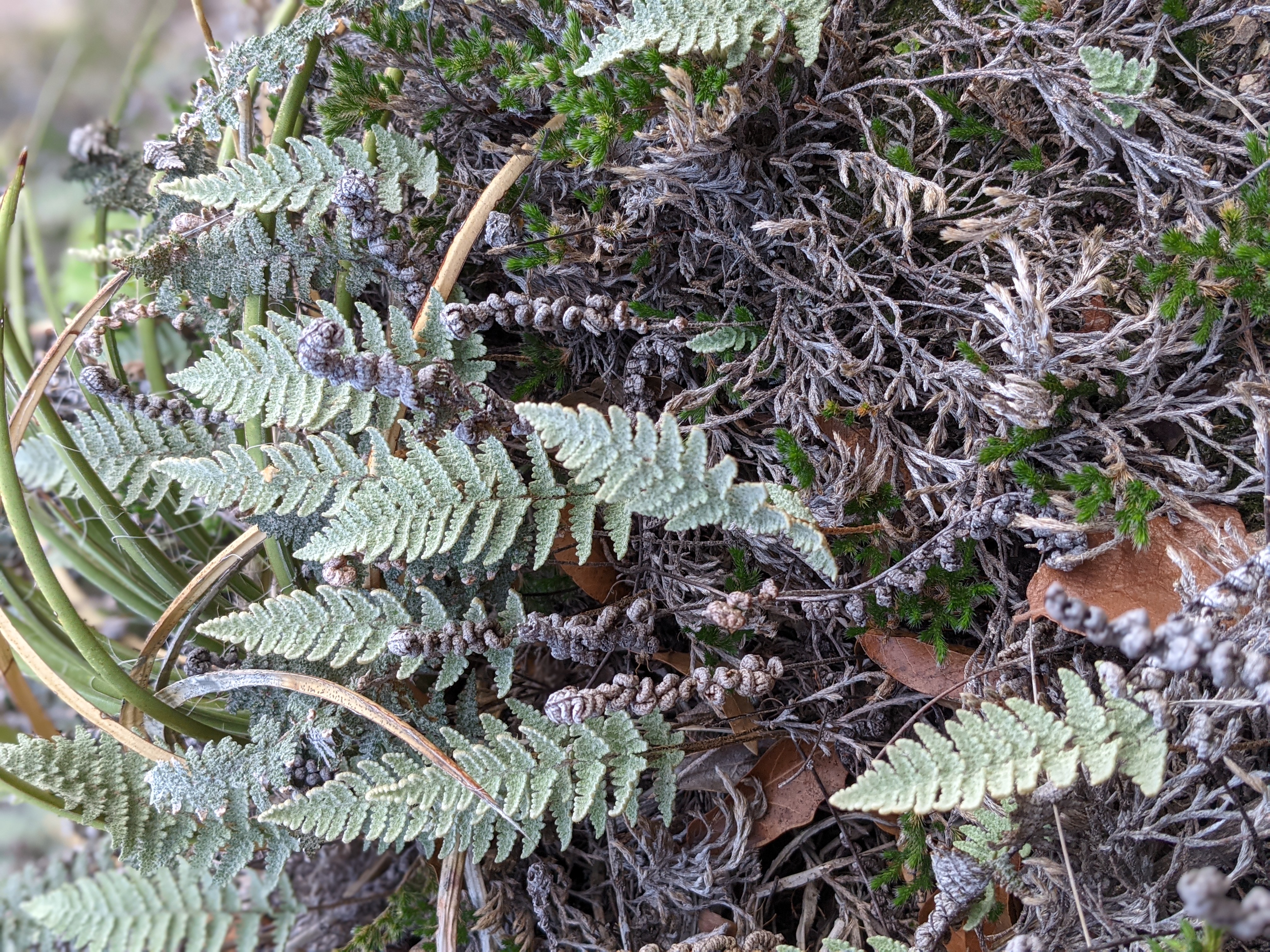
Forces driving chromosome number change from n=2 in Xanthisma to n=720 in homosporous ferns
Selaginella, Brassicales, and Asteraceae across the Sonoran Desert, Madrean Sky Islands, and beyond
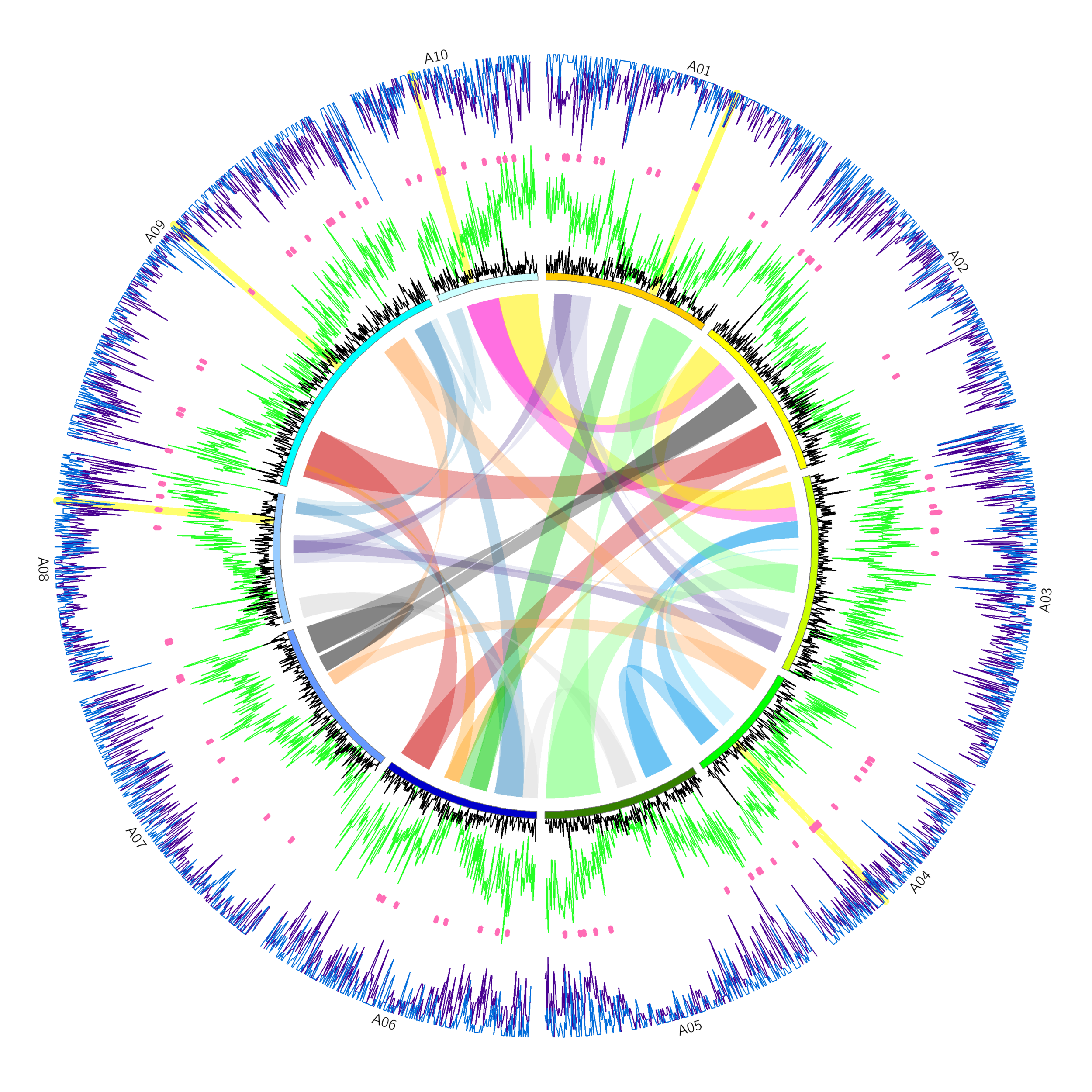
Machine learning and bioinformatic tools for evolutionary analysis at genomic scale
Lab News
Dr. Tamsen Dunn joins as an NSF PRFB Postdoctoral Fellow, developing computational approaches to study the evolution of polyploid genomes.
Kinosian & Barker investigate the role of meiotic drive in chromosome number disparity between heterosporous and homosporous plants.
Lab members presented research in Palm Springs at the annual Botany conference, with talks spanning chromosome evolution, polyploidy, and computational genomics.
New work in Plant Cell, American Journal of Botany (×2), Genome Biology & Evolution, and BMC Genomics from lab members and collaborators.
We lead the NSF CAMBIUM NRT program, training graduate students to work with biodiversity big data and climate adaptation challenges.
Join the global polyploidy research community at our monthly Polyploidy Webinar Series, connecting researchers worldwide.
Programs & Opportunities
We lead the NSF CAMBIUM NRT program, training graduate students to work with biodiversity big data and apply it to climate adaptation challenges. We also host the monthly Polyploidy Webinar Series, connecting the global polyploidy research community.
Explore the details: Our Research, Study Systems, Publications, and Code pages contain information about ongoing projects, computational tools, and collaborative opportunities.
Join our research lab: We welcome researchers interested in tackling these questions through various approaches—whether through bioinformatics and computational analysis, field collections and herbarium work, or experimental studies. No prior computational experience required. If you are interested in joining us as a graduate student, postdoc, or undergraduate researcher, meet our current lab and contact us to explore research opportunities.